
Overcoming Wastewater Treatment Challenges With The MCS 500 Automatic Self-Cleaning Strainer.
In the modern industrial landscape, efficiency and sustainability are paramount. Every sector, including sewerage treatment plants, require significant energy to function optimally. Recognising this, Bocholt (ESB) has taken a significant step towards reducing energy consumption and enhancing operational efficiency by implementing automatic self-cleaning strainers.
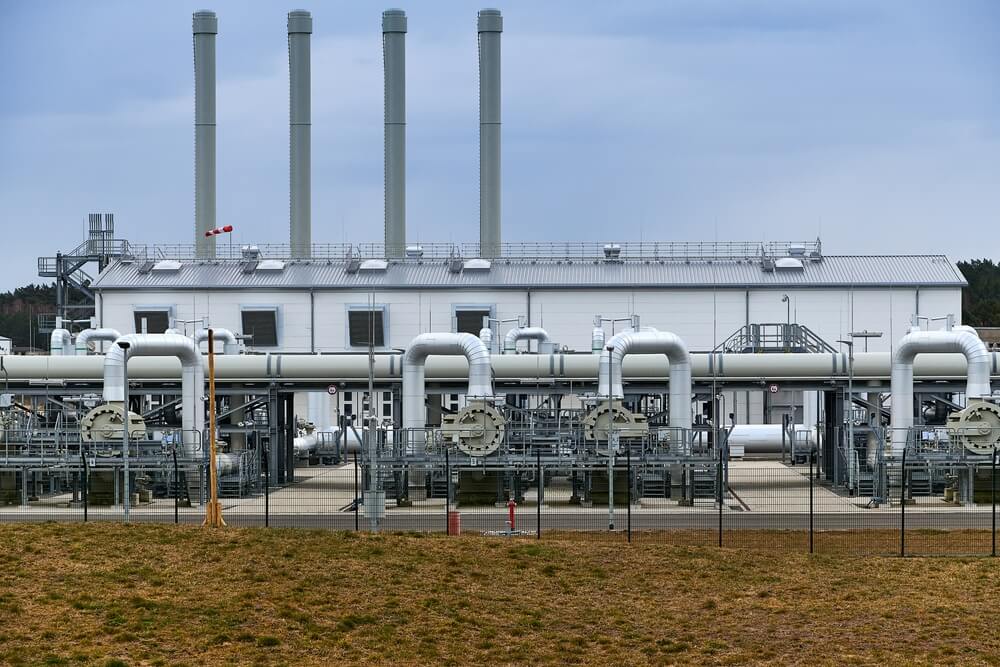
Need for increased efficiency in wastewater Treatment.
Bocholt (ESB), a waste disposal and services company, operates the central sewage treatment plant in the Mussum district of Western Germany, servicing over 70,000 households and businesses. The company has set out to reduce energy consumption through the use of super-efficient pumps and low-consumption motors. Beyond these measures, ESB has innovated further by enhancing the existing activated sludge process with a new technique, reinforcing its commitment to sustainability and operational efficiency.
After removing the significant bits with a rake and a sand trap, they use this new process to accelerate the sedimentation of the sludge by using Hydro-Cyclones. This ESB’s system made the sludge settle faster and reduced the secondary clarification load.
The Challenge of Hydro-Cyclones.
Hydro-Cyclones use centrifugal force to separate solid particles from liquid mixtures, improving the efficiency and stability of the activated sludge process. However, larger debris like plastic or leaves can clog the Hydro-Cyclones if not caught by initial filtration, potentially halting the plant’s operations if multiple units are blocked simultaneously. Highlighting the critical need for effective initial clean-up to maintain the system’s efficiency.
A Temporary Solution.
To mitigate the risk of blockages and interruptions, ESB implemented a manual basket strainer between the initial clean-up stage and the Hydro-Cyclones, capable of trapping contaminants larger than 0.4 inches (~9 mm). While this effectively protected the Hydro-Cyclones, it introduced a new challenge: the strainer required manual cleaning three times daily, consuming up to two hours and exposing workers to pre-cleaned wastewater, posing health and safety risks.
Seeking to automate their process and safeguard workers from direct wastewater contact, ESB needed a system capable of autonomously performing initial filtration. They aimed to find a reliable solution that could efficiently separate solid particles from wastewater with minimal manual intervention.
Searching for an Automated Pre-Filtration solution.
ESB found their solution with Eaton, a company renowned for its extensive experience and diverse range of filtration products. Eaton’s technical sales engineer, Ulrich Latz, noted that while basket strainers are ideal for coarse filtration in various applications, the varied waste at Bocholt’s sewage treatment plant required a different approach to avoid slowing down the system.
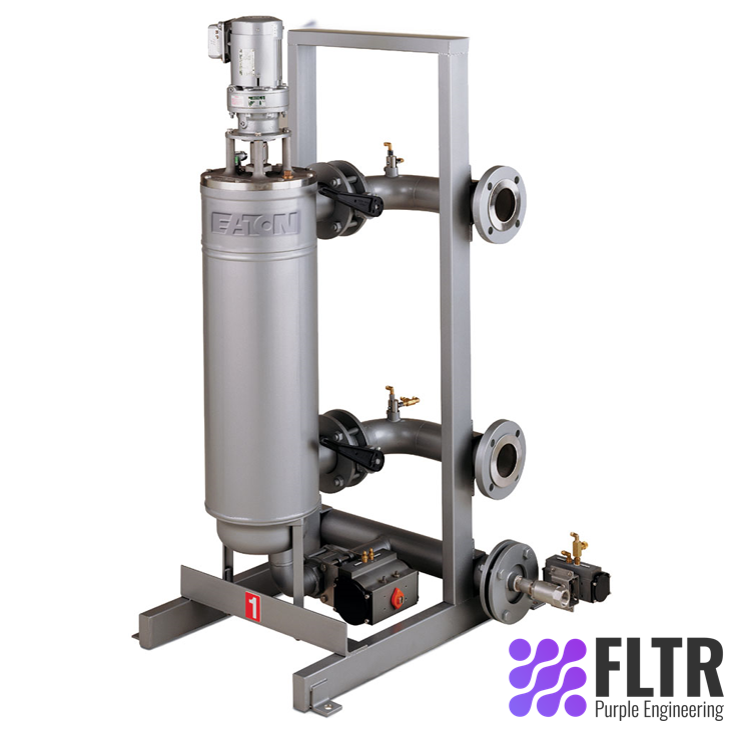
After initial discussions, they considered using Eaton’s MCS series filters, known for their simplicity and effectiveness. The process involves the liquid entering a cylindrical housing, passing through the filter from the inside out, and leaving the housing. At the same time, solids are trapped inside the filter.
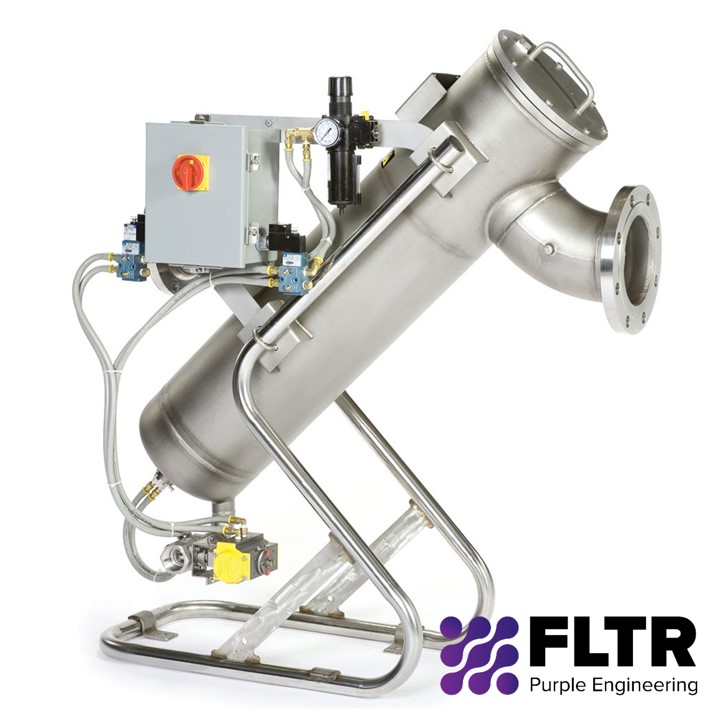
Eaton’s MCS-500 filter.
The MCS series is traditionally used in industrial processes such as water treatment and food and beverage production. But for use in a sewage treatment plant, they knew from the start that they would have to use a different type of filter to avoid sudden clogging. Based on the size of the Bocholt piping system and the Hydro-Cyclones’ specifications, they opted for the MCS-500. This automatic backwash strainer can handle up to 500 gallons per minute (114 cubic meters per hour) and has a filter element with a perforation of 1/4 inch (6.35 millimetres).
Advantages Over Manual Basket Strainers.
Latz highlights the MCS series’ key feature: automatic mechanical cleaning. This continuous process involves monitoring pressure differences across the filter, triggering automatic cleaning when a specified threshold is reached. A cleaning disc then sweeps the filter surface, collecting dirt particles and directing them to a collection area. Once full, a valve opens to discharge the accumulated dirt in a concentrated manner.
Latz noted that the cleaning disc’s travel time is merely five seconds per stroke. At the Bocholt sewage treatment plant, just one or two automated cleanings are required hourly, totalling a few minutes daily. All adding to improved efficiency.
Customising and Testing for a Specific Application.
Eaton tailored the system for ESB, incorporating a perforated filter element and a magnetically coupled linear actuator for seal-less automated cleaning. They also performed rigorous testing to confirm its reliability under strenuous wastewater treatment conditions. Moreover, Eaton streamlined maintenance with a filter design, allowing quick disassembly and reassembly in just 5 minutes.
Results and benefits.
● No leaks – The filter operates smoothly without any dynamic seals. And it can run continuously without any interruptions.
● Easy to maintain – System design reduces operating costs and simplifies routine tasks. ESB could disassemble and reassemble it in just five minutes.
● Designed for ease – The filter is tilted at a 45-degree angle. This makes it easier to take it apart without needing a crane. Also, the filtration happens in-line, so ESB does not need to add extra pipework when they install it.
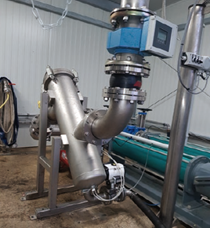
Figure 1: At the sewage treatment plant, the fully automatic MCS-500 strainer basket strainer replaces a manual solution that costs several hours of work per day.
Outcomes of integration and collaboration.
Since its installation, the MCS-500 automatic self-cleaning strainer has been highly effective at the Bocholt sewage treatment plant. Andreas Wehren, ESB’s Operations Manager, reports a positive outcome, noting that the filter has prevented Hydro-cyclone system failures and maintained seamless and efficient sewage treatment operations.
The collaboration between ESB and Eaton’s experts, from testing to integrating the system, has been seamless. They have integrated the filtration unit with the sewage treatment plant’s control system, enabling centralised monitoring and data collection.
Conclusion
Eaton modernised outdated systems with energy-efficient solutions and developed innovative waste treatment methods to lessen the plant’s environmental footprint. Their automatic self-cleaning filter enhanced the process’s sustainability, reliability, efficiency, and safety. Eaton’s extensive expertise in industrial filtration facilitated a dependable adaptation to Bocholt’s challenging wastewater conditions.
Enter Keyword or Part Number
Then press enter for search results