
Industrial Absorbents
Industrial Absorbents
An absorbent is a material that can be absorbed in liquids and is used to treat products that pollute the environment. They’re also insoluble compounds that can absorb chemicals such as petroleum, hydrocarbons, fuel, waste oils and naphthalene. The absorbent is either a granular or foam substance.
The liquid will be trapped in the surface of the absorbent media when it’s absorbed. Absorption is a surface process in which molecules, ions, or atoms accumulate on the surface of a substance. The absorption process reduces the surface tension between the liquid and the solid absorbent.
Absorbents fit into various categories according to their origin.
- Natural organic absorbents: peat most
- Natural inorganic absorbents: clay, sand
- Synthetic absorbents: an artificial substance that polyurethane, polyethylene, and polypropylene
How to choose the correct absorbent according to application
There are several factors to be considered when selecting the proper absorbents. Some of them are listed below.
- Types of liquid to be absorbed
Oil-based liquids, chemicals such as acids, bases and unknown chemicals, solvents, and water
- Types of applications
Absorbents apply to several types of applications. Some can float on the water or cover a large area. Others are made of loose materials and require blowers such as emergency spill responses, heavy traffic areas and wiping.
- The capacity of the absorbents
When the absorbents reach saturation, they can no longer proceed with soaking up fluids. Then over-saturated absorbents need cleaning to stop secondary contamination. Therefore the necessary amount of absorbents depends on the absorbent capacity and the required volume of liquid.
- Storage
Absorbents are sensitive to sunlight, UV rays and temperature. Exposure to these factors reduces their effectiveness. Therefore, you should manage their storage to prevent any issues.
- Disposal
It is required to dispose of the absorbents after using them several times. Disposal methods depend on the applications used. You should incinerate some absorbents because they carry hazardous chemicals. Disposing of absorbents uses existing environmental regulations in the country.
Type of absorbents
Types of absorbents can change depending on the type of application. You can find several types of absorbents in the industry, including:
- Absorbents pads
- Absorbents pillows
- Absorbents socks
Application of absorbents in different industries
Industries can benefit from absorbents for various reasons, including purification, separation, pollution control and catalyst. Some of the most common industries include:
- Food industry: factory flow
- Oil industry
- Chemical industry
- Hospitals: research laboratories, fluids waste disposal
- Water-related industry: wastewater treatment, drinking water treatment
Advantages of using absorbents
- Cost-effective
- Easy of applications
- Strong and durable
- Best Oil retention ability
- Use several times
- Response quickly to the problem
FLTR offers user-friendly, reliable, and cost-effective industrial absorbent solutions that fit according to industrial applications’ requirements. FLTR absorbents products assist you in keeping your employees and work area safe from unforeseen spills, leaks, drips, or other incidents.
Absorbents socks
Absorbents socks are multifaceted absorbent types that help leaking equipment. Due to their length and flexibility absorbents, socks come according to the requirements.
- Chemical Absorbent Socks
Chemical Absorbent Socks are common in industrial liquids such as oils, water, solvents, coolants. We don’t recommend using them for acids, bases, or other corrosive liquids. The chemical-resistant mat won’t degrade or cause a dangerous reaction upon contact with corrosive spills. The yellow colour is easily distinguishable to assure workers use the correct mat during a spill emergency. These are ideal for using unknown chemicals spills.
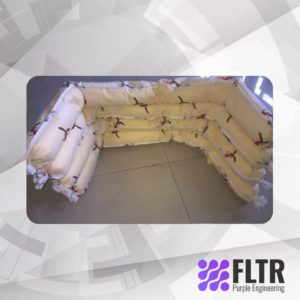
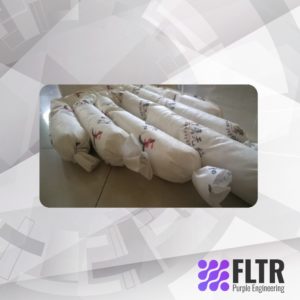
- Oil absorbents socks
Oil Absorbent Socks is applicable in all conditions to absorb oil spills on land or water. The sock floats to confine and absorb spills on water and hugs the ground for spills on land. In addition, they absorb and hold oils and oil-based liquids, such as lubricants and fuels, without absorbing a drop of water. They can also burn after use to decrease waste or for fuel blending.
Absorbents pillows
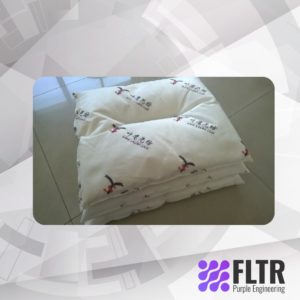
Absorbent pillows help to blot up sustainable amounts of fluids. These consist of absorbent materials inside the fabric bag. There are two types of absorbent pillows:
- Chemical absorbents pillows
Chemical Absorbent Pillows absorb most typical industrial liquids, including oils, water, solvents, and coolants. However, we don’t recommend using them for acids, bases, or other corrosive liquids. Furthermore, they are excellent for catching persistent drips and spills in tight places and boosting absorbency for spill response.
- Oil absorbents pillows
Oil Absorbent Pillows contain a big surface area, a high capacity, and a fast-wicking filling that quickly absorbs oil and oil-based liquid. They’re also excellent for catching persistent drips and spills in tight places, as well as boosting absorbency for spill response. In addition, heavy-weight construction is highly durable and absorbent for demanding tasks and large-volume clean-ups.
Absorbents pads
FLTR has a variety of absorbent pads that can apply to many industrial requirements.
Available types of Chemical absorbents pads
- Chemical Absorbent Pads – Heavy Duty XY-OA103
- Chemical Absorbent Pads – Medium Duty XY-CA102
- Chemical Absorbent Pads – Light Duty XY-CA102
Chemical Absorbents pad absorb the widest range of acids, bases, corrosives, chemicals, and unknown liquids. As a result, the chemical-resistant mat won’t degrade or cause a dangerous reaction upon contact with corrosive.
Available types of oil absorbents pads
- Oil Only Absorbent Pads – Heavy Duty XY-OA103
- Oil Only Absorbent Pads – Medium Duty XY-OA102
- Oil Only Absorbent Pads – Light Duty XY-OA102
Their design helps to absorb oil and petroleum without water and water-based products. As a result, these are excellent for controlling and cleaning up oil spills, leaks, and drips.
Spill kits
- Oil Spill kits
Oil Spill kits consist of Oil Absorbent Pads, Oil Absorbent Socks, Oil Absorbent Pillows and Waste Bags to control oil spills.
- Chemical spill kits
Chemical Spill Kits consist of Chemical Absorbent Pads, Chemical Absorbent Socks, Chemical Absorbent Pillows and Waste Bags to control chemical spills.
Absorbents boom
Absorbent booms are ideal for blocking the spill from migrating away from the source.
- Chemical Absorbent Booms
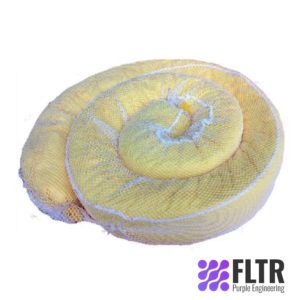
Chemical Absorbent Booms absorb common industrial liquids, including oils, water, solvent and coolants. As a result, they do not mix well with acids, bases, or other corrosive liquids. In addition, chemical-resistant mats don’t degrade or cause a dangerous reaction when in contact with corrosive spills.
- Oil Absorbent Booms
Oil Absorbent Booms robust outer net is UV resistant, allowing long-term outdoor use without damage. The rope that runs down the length of the boom can resist up to 400 pounds-adding strength for deployment and retrieval. Strong, zinc-plated carbon steel attachment clips and rings allow you to link booms together for a greater length.
Absorbent Rolls
- Chemical Absorbent Rolls
Chemical Absorbent Rolls absorb a wide range of acids, bases, corrosives, chemicals, and unknown substances. Therefore, when corrosive spills come into touch with a chemical-resistant mat, they will not degrade or generate a hazardous reaction. In addition, liquid and fibre residue will not be left behind due to the high absorbency and fine-fibre structure.
Oil absorbent rolls absorb oil and oil-based materials while avoiding the absorption of water and water-based products. In addition, it has a sonic bonded, spun-bond outer layer that resists wear and tears even in high-traffic areas or abrasive environments.
Rolls are perforated every 25.4cm or 13cm. For example, tear to size and use what you need.
The white hue indicates that it is only for oils and fuels, calls attention to machine leaks, and displays saturation level during spill response. After use, it can be wrung out and burnt to decrease waste or for fuel mixing.
- Oil Absorbent Rolls
Oil Absorbent Rolls absorb oil and oil-based materials but not water or water-based products. It has a sonic bonded, spun-bond outer layer that resists wear and tears even in high-traffic areas or abrasive environments. Rolls are perforated every 25.4cm or 13cm.
The white hue indicates that it is only for oils and fuels, calls attention to machine leaks, and displays saturation level during spill response. After use, it can be wrung out and burnt to decrease waste or for fuel mixing.
Enter Keyword or Part Number
Then press enter for search results