
Waterflood Operation Solutions
Waterflooding is a technique to increase the extraction rate of crude oil from the production well. This method is secondary recovery because it enhances oil production by utilising water. The mechanism is inserted forcefully into the reservoir through an injection well. That is drilled parallel to the primary extracting well. This method is very effective and sustainable to increase oil recovery.
Hydrocarbons recover according to the production method and extraction time. Primary oil production describes the extraction of hydrocarbons according to the natural running system of the field, without the additional aid of liquids such as gas and water. Secondary oil recovery is in addition to conventional water and polluted air injection. The recovery process occurs during or after the first recovery, and flooding is the most common secondary form. However, before embarking on a second recovery plan, it should be made clear that the recreational and natural recovery process is not adequate. Otherwise, there is a risk. In addition, the large investment required for the second rescue project would be interesting.
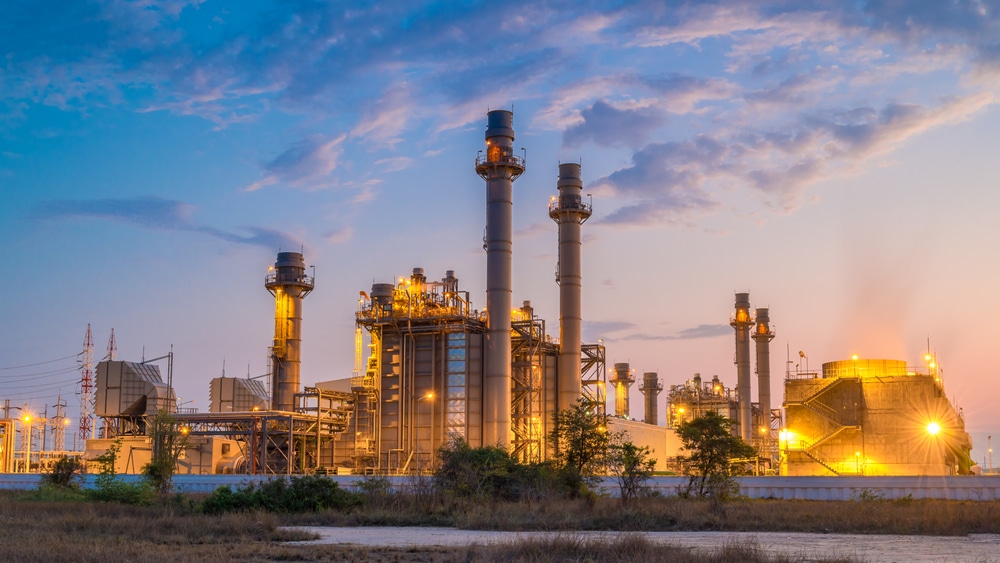
There are several advantages of waterflood methods. These include:
- It provides the reservoir pressure called ad voidage replacement.
- Oil is lighter than water, causing it to float on top of it. Therefore, water supports displacing oil from its place in the reservoir and pushing it toward the production well.
Several factors determine the level of effectiveness of the waterflood method. These include:
- Mobility ratio between the oil and water
- The geology of the oil reservoir
- Gravity effects
How is the waterflood operation designed?
The waterflood design contains several stages, each with an engineering evaluation method. These methods should fulfil minimum technical and economic criteria.
There are a few design aspects which include:
- Injection – water sensitivity studies
- Production wells
- Pilot waterflooding
- Injection pattern layout
Features of waterflood equipment
1. Pumps
The selection of a quality pump should consider the required injection rate, required pressure. The maintenance should also be easy and cost-effective.
2. Filtration
Filtration in waterflood equipment includes the cartridge filter size, maintaining a consistent flow rate, micron rating, and auto or self switching when the high differential pressure occurs. In addition, removal efficiency should increase for water, solids, and gases.
3. Pipe, valves and fittings
Pipe, valve and fittings for waterflood equipment depend on the chosen configuration.
There are three types of waterflood operation feeds. These are:
- Seawater water feed
- Produced water feed
- River water feed
FLTR is a global pioneer in fluid clarifying products and technology that specialises in filtration experience in the hydrocarbon processing industry. We design and develop the equipment for waterflood operations while customising according to the requirements. Fabrication of this equipment must meet the requirements and be cost-effective, high quality and easy to use.
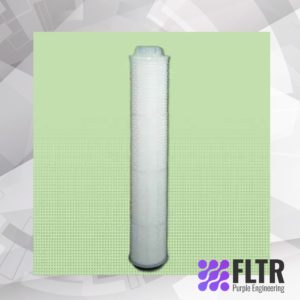
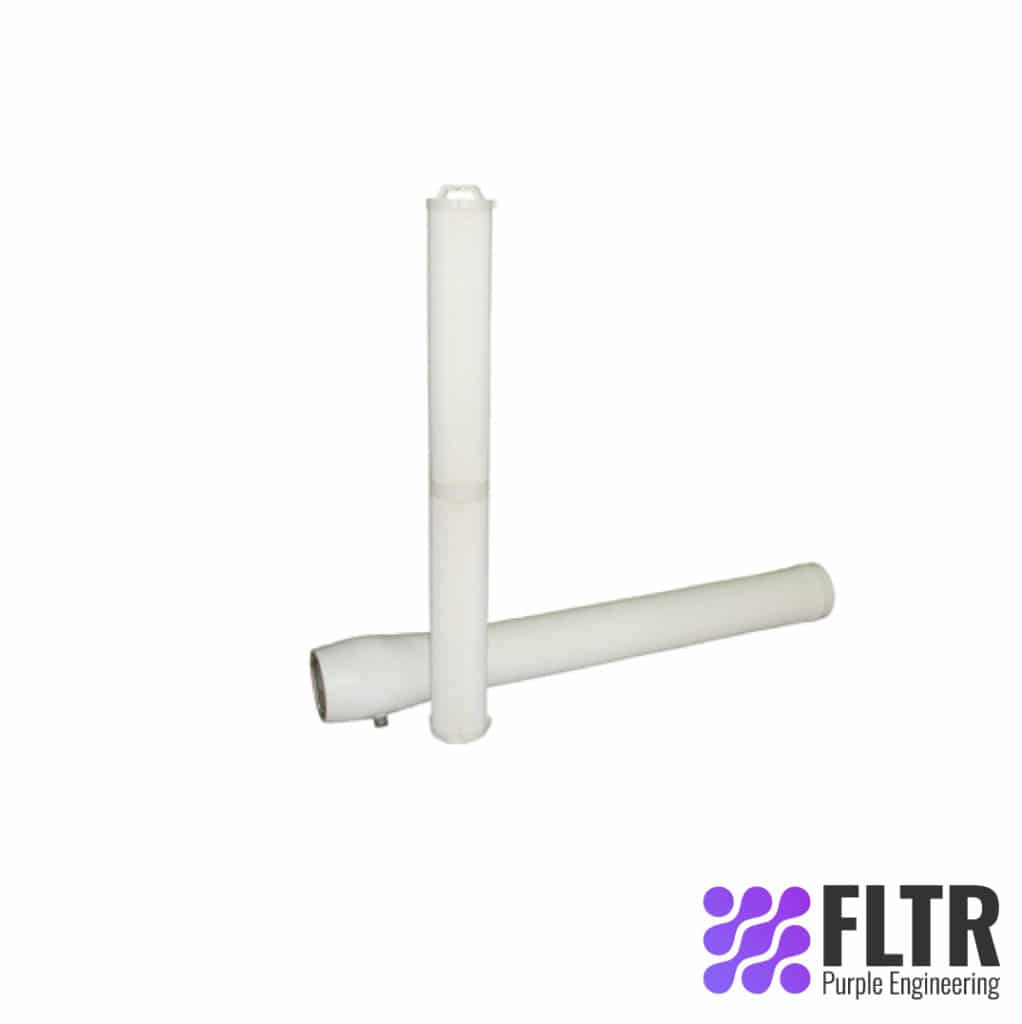
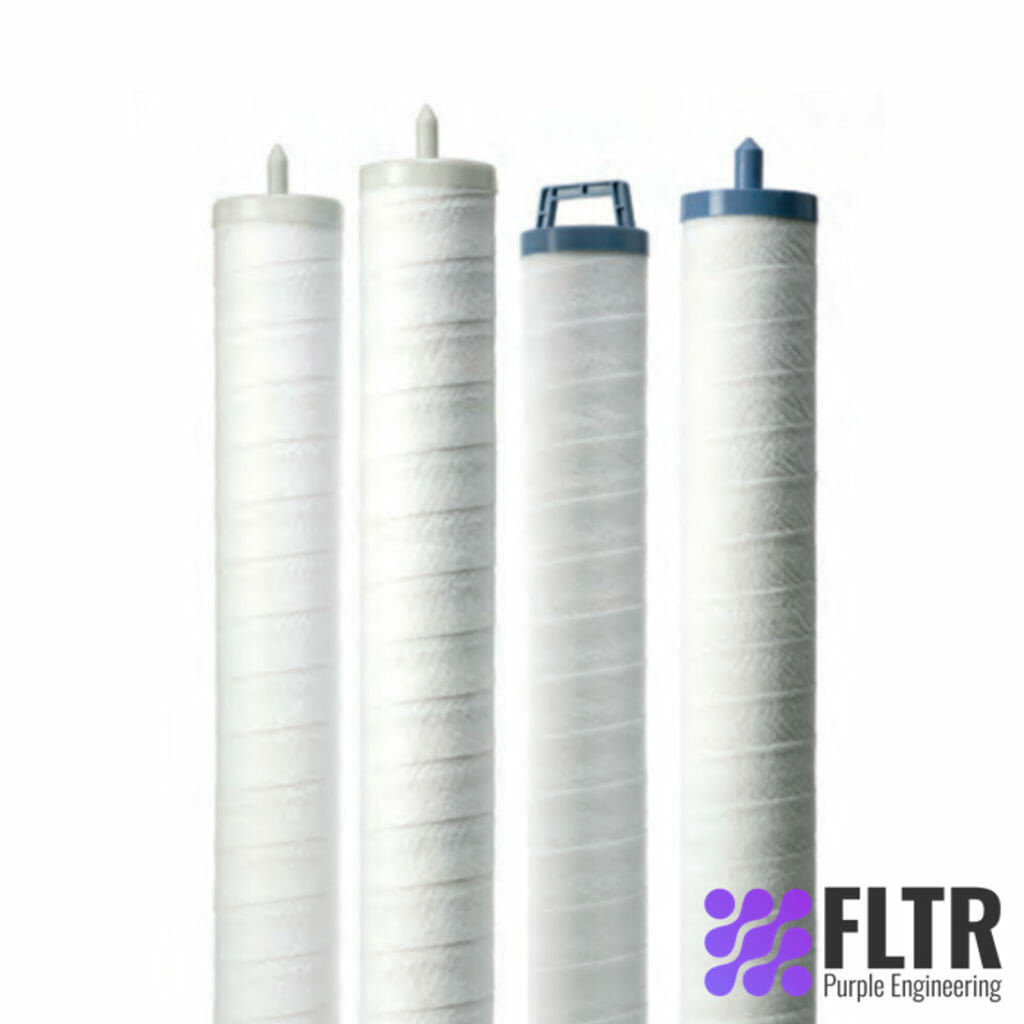
M7000 High Flow Pleated Filter Cartridges
M7000 high flow pleated filter cartridges offer two types of filter media: thermally-bonded PP and pleated microfibre PP. These are designed with high particle retention efficiency while remaining low–pressure drop. M7000 filter cartridges are also great for processes demanding high purity and big flow capacity.
Benefits of using M7000 High Flow Pleated Filter Cartridges
- Great surface area
- Extended service life
- Less change-outs
- High dirt loading capacity for long service life and superior retention efficiency
- Broad chemical compatibility is ideal for chemical applications requiring high purity.
- Convenient handle for easy manual and installation. No loose parts to assemble, thus fewer labour costs. Free of binders, additives, and lubricants.
1S Series – Filters for Liquid and Gas Applications
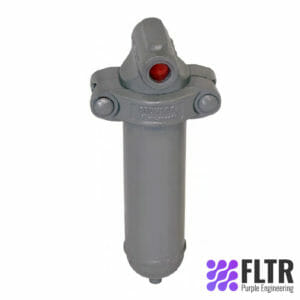
1S Series – Filters are available with different cartridge length models. Available length models are 1,2,3, and 4. These filters are suitable for high pressure and low volume applications. All models are carbon steel and have a 2000 psi working pressure. The petroleum production industry commonly uses these filters in secondary recovery waterflood applications.
The filter is generally located at each input well just ahead of the meter. The cast steel mounts directly on the flow line and in any position. The fluid or gas enters one side of the head and directs to the area around the cartridge. The fluid or gas passes through the cartridge into the centre tube and through the opposite side.
There are several advantages and features in this 1S Series – Filters
- Low cost
- Durable
- Easily operated filters
- Different cartridge length models
- Working under high pressure such as 2000psi
- Cast carbon steelhead
- Brass or carbon steel internal
- Gas or fluid filtration
- Grooved closure
High pressure and carbon steel 1S filters for industrial Liquid and Gas applications are used in the following industries.
- Waterflood operation
- Pollution control
- Glycol dehydrator filtration
1L Series – Filters for Liquid and Gas Applications
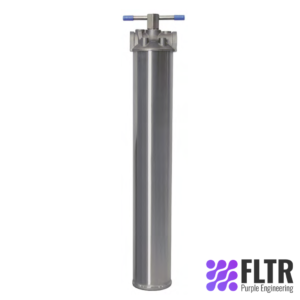
1L series -Filters are cartridge filter housing filters for liquid and gas applications. These are available with four different cartridge length models at working in 200psi pressure. The advantages of these filters are low cost and high quality.
Some features are listed below.
- Available in 1, 2, 3 or 4 cartridge models
- 200 psi working pressure
- Carbon steel or stainless steel construction
- T-Handle closure nut
- Buna shell gasket
- One-piece body construction
- 1” Internal pipe thread inlet/outlet connections
- 1/8” Internal pipe thread drain is standard
- Useful for gas or fluid filtration
- Water flow rates to 24 gpm
- Glycol flow rates to 15 gpm
Application of 1L series filters is waterflood operations, pollution control, Glycol and Amine Filtration.
Bag filter Housing filters
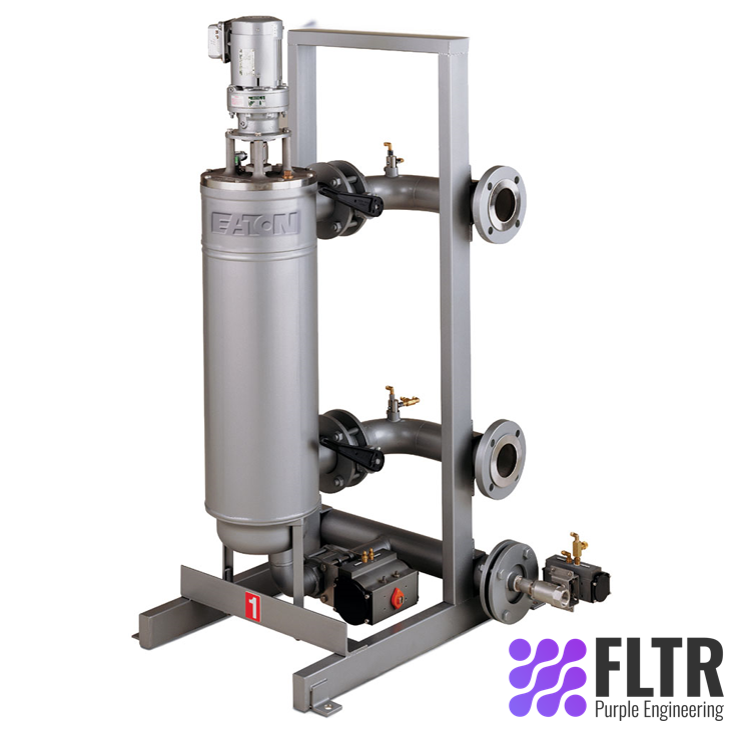
FLTR offers a variety of bag filter hosing filters for the industries. Among that filters, MAXILINE multi-bag filters are helpful in waterflood operation. MAXILINE multi-bag filter housings are for high-volume applications demanding frequent filter bag changeouts. Available in a range of combinations with four to twenty-four filter bags per housing. Options include various input/output positions and sizes, material choices and closure designs.
There are three types of MAXILINE multi-bag filters.
Features and benefits of MAXILINE multi-bag filter hosing
MAXILINE MDE is multi-bag filter housing that is user-friendly and sealed perfectly. This filter has been developed for safe filtration and minimised product loss. They are suitable for batch process runs and high dirt load applications.
The multi-bag filter housings come with proven and easy-to-use rugged eye-bolt cover closure. The flat lid construction, combined with Eaton’s SENTINEL filter bag seal rings, close perfectly against the lid and minimise the amount of residual product on the inner surface. This design minimises product loss, spillage and makes cleaning easier. Units are available in 4 filter bag configurations and come standard with filter bag size 02 stainless steel restrainer baskets.
- A counter-balanced, spring-assisted cover lifting mechanism allows for one person’s quick and easy opening of even large covers.
- Flat lid design improves sealing, reduces product loss and makes filter bag change-outs cleaner.
- Direct feeding of filter bags via individual inlets generates a laminar flow. This feature ensures optimal cake formation to improve filtration performance
- Includes heavy-duty stainless steel mounting legs
- Designed per Section VIII, Division 1 of the ASME Code (standard in the US), “AD 2000-Merkblätter”, EN 13445 and PED (standard in EMEA)
MAXILINE MDE is a multi-bag filter housing used in the petrochemical industry for the filtration of lube oils, fuel additives, enhanced oil recovery, filtration of amine solutions, filtration of glycol fluids, gas purification processes, distillation and cracking processes, amine washers, off-shore filter stations, oil drilling and injection fluids.
Other than that, automotive, chemical, electronics, food and beverage, metalworking, paint and lacquer and pharmaceutical industries are used MAXILINE MDE are multi-bag filter housing for their applications.
Spring Lid Type Multi Filter Cartridge Housing-TR
Spring Lid Type Multi Filter Cartridge Housing-TR is an ACID-Washed, Electrolyzed, Polished and Sand Blasted exterior and interior Filter Cartridge Housing capable of operating at 75 0 C and 150psi of pressure for 100 0 C of temperature and 150psi of pressure.
Enter Keyword or Part Number
Then press enter for search results